
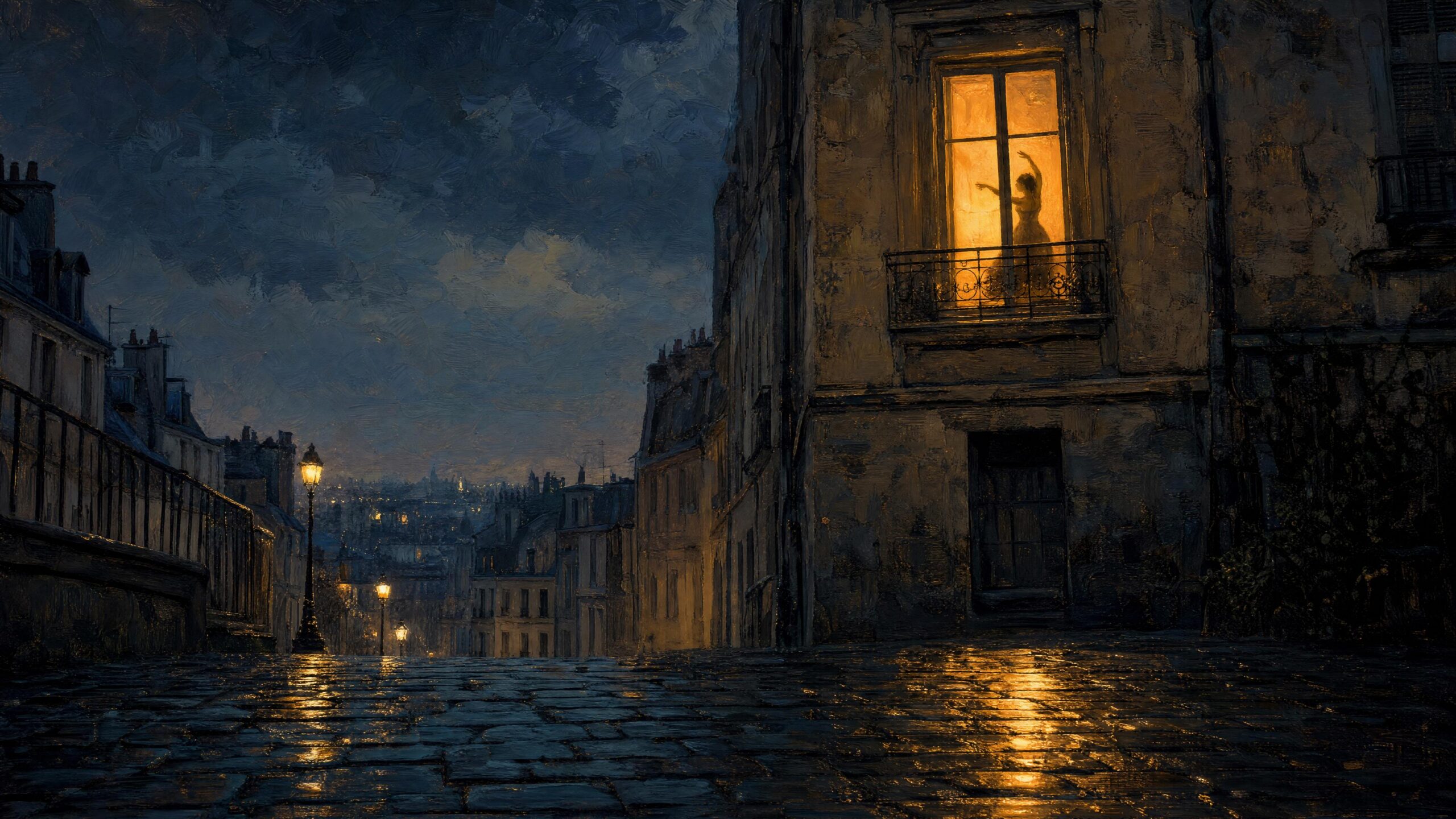
Marcel Dupont walks through Paris with the confidence of a man who has made peace with the way strangers look at him, which is sideways and then not at all. He has a facial disfigurement. He dances in his apartment each night, slowly and with feeling, waiting for a companion who has not yet appeared. Near the end, an accordion player arrives at precisely the right moment. That is the film. What you need to know about the reception is that when the credits rolled at Alice Tully Hall on June 11, the audience at Lincoln Center lost its composure.
Robert Gaudette made this film. He is fifty-four, a Canadian who works in the nonprofit sector in Toronto, and he has never been to Paris. He has no formal training in filmmaking. Over the previous twenty-five years he wrote between twenty-five and thirty scripts. None of them were produced. When he discovered that Runway’s video generation tools could synthesize a Paris that felt real, he built one. Then he built Marcel inside it.
How You Pull a Slot Machine for Two Weeks
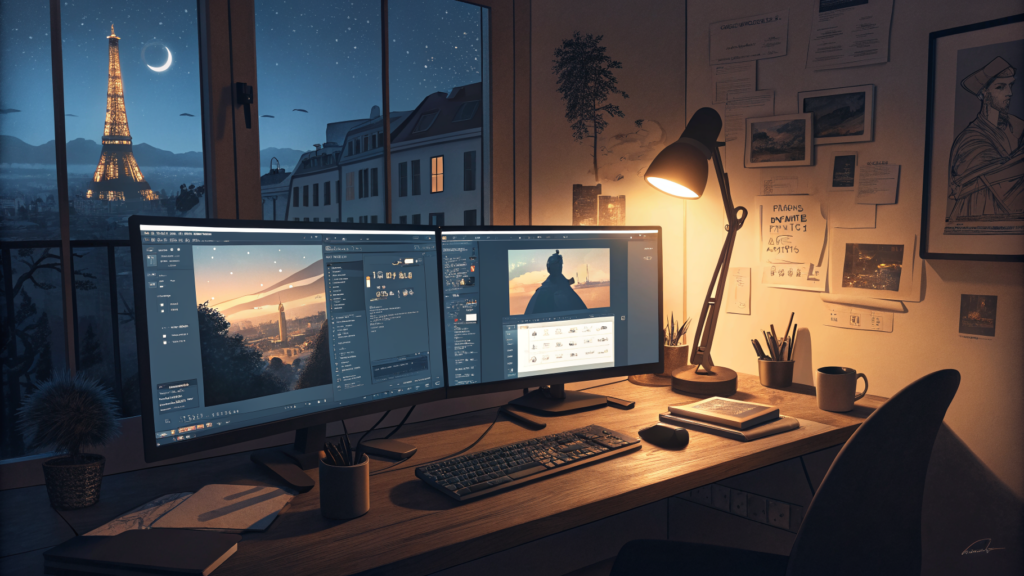
The tools were Runway AI and Midjourney. The process, as Gaudette described it, felt like “a lot of gambling, a pulling of the slot machine” — though that framing undersells the deliberateness beneath it. The model generates video in sequences of five to eight seconds. Each shot requires regeneration from scratch; the model holds no continuity between generations. Getting a thirty-second scene to cohere meant pulling that handle enough times to win a run of consistent frames and then assembling them, with the care of someone who has no second camera angle and no pickup day, into something that moves.
Most AI filmmakers solve this problem by cutting fast. Quick edits hide the seams between generations; the eye compensates. Gaudette went the other direction, choosing longer takes and holding shots past the point of comfort, which made his job exponentially harder. He worked seventeen-hour days for two weeks. He taught himself the medium by doing: “The more you do it the more you figure out the language that will help you get what you want.”
The result is a film that feels controlled rather than assembled. Marcel’s apartment has a consistency to it — a warmth, a narrow amber light — that suggests not just a set but a life that has been lived in it. The streets of Paris carry the particular indifference of a large city toward one particular person. This is not easy to generate. It is the kind of thing you work for.
The Case Against
The case against AI filmmaking is not usually the technology anymore. The visuals have cleared that bar. At the same June 11 screening, a reporter who attended skeptically found the films “indistinguishable from human-made media” and still found most of them boring. The problem was stories: “flimsy or overdone plot lines,” AI-generated human characters who “seemed relatively emotionless.” The technology had arrived at the festival; the storytelling was still catching up.
What the same reviewer wrote about “A Face Only a Mother Could Love” was “sad and sweet and heartwarming, like a Pixar knockoff” — a critique that acknowledges the emotional register while qualifying it. Her seatmate was moved throughout. These two reactions sitting side by side are the accurate picture of where AI cinema is right now: the films can make some people feel something and leave others cold, and the question of which response is correct depends almost entirely on whether the story earned you. Gaudette made a film about loneliness and disfigurement and a man who keeps showing up. That is not nothing.
What Lincoln Center Means
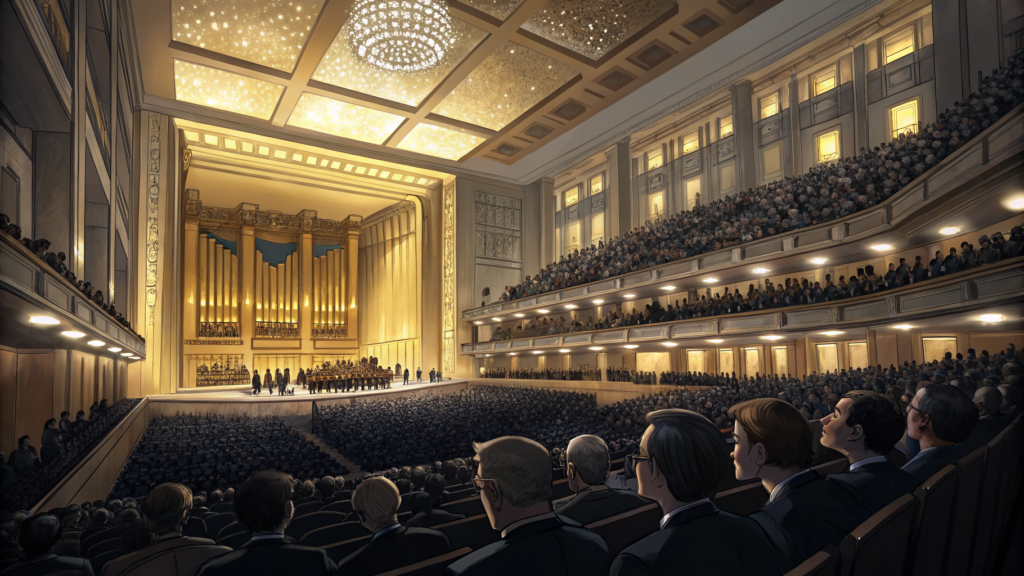
The Runway AI Film Festival began as a small New York event. By its fourth edition this year, it had expanded its competition to include design, fashion, gaming, and advertising, and moved its awards ceremony to Alice Tully Hall at Lincoln Center. The jurors were Roger Avary — who wrote Pulp Fiction — and Jane Rosenthal, who runs Tribeca. Ron Howard shared a stage conversation with Runway CEO Cristóbal Valenzuela. The prize pool exceeded $135,000.
The institutional optics of this matter. Rosenthal runs the festival that gave Dreams of Violets its premiere three weeks earlier — a film that went to distribution meetings and watched potential partners back away when they learned it was AI. Avary has been in Hollywood long enough to know what he thinks about whether a story works. Their presence at Lincoln Center for an AI festival is not decorative. Valenzuela’s remark at the ceremony was pointed: “It’s less about the AI models and the tech, and it’s finally, fully about the stories themselves.” That sentence is doing work. It concedes the prior years. It draws a line.
The $50,000 Grand Prix went to an unknown fifty-four-year-old nonprofit worker from Toronto who built Paris from prompts and populated it with a man whose face makes the city look the other way. Gaudette has noted that traditional festivals like TIFF are unlikely to program his work. He has identified a festival in Rhode Island with an AI section. He is already developing the next film, aiming to compress his timeline to ten days.
“No one was going to fund a short film made by me,” he told the Hollywood Reporter. “But with AI I guess they don’t have to.”
AI-generated editorial illustration · TemperatureZero · June 27, 2026
Keep reading the signal
Get the Daily Signal — a concise briefing on what actually matters in AI and the systems around it.
Subscribe FreeContinue the archive