Headline
Daily Signal — August 12, 2026
TL;DR: Anthropic announced that Claude will embed imperceptible watermarks in generated text and attach signed provenance metadata to generated images, a move tied directly to EU AI Act transparency rules that took effect August 2. New Claude models will carry the marks from release, while support for existing models is still being built out during a four-month compliance grace period. The change is narrow in scope today but signals how regulatory deadlines, rather than voluntary industry norms, are now driving provenance features in frontier AI systems.
Today’s Themes
- Regulation as the forcing function: Anthropic frames this as EU AI Act compliance, not a proactive safety measure — a distinction that matters for how durable or globally consistent the feature will be.
- The gap between “day one” and “day 47”: new models get watermarking at launch, but the timeline for retrofitting older, already-deployed models remains unspecified.
- Persistence versus evasion: a text watermark designed to survive copy-paste and light editing raises the immediate question of how it holds up against paraphrasing, translation, or adversarial stripping.
- Provenance as infrastructure: C2PA-signed image metadata plus invisible text marks push toward a de facto labeling standard that other vendors may now feel pressure to match.
Top Stories
Anthropic says Claude will add invisible watermarks to AI text and images
What happened: Anthropic announced that Claude-generated text will carry embedded, imperceptible watermarks, while generated files will include digitally signed provenance metadata using C2PA where supported. The marks are intended to apply globally across supported Claude models and surfaces, including API and cloud-hosted access, though rollout for existing models is still in progress.
Why it matters: For enterprises and developers building on Claude’s API, this changes the assumption that model output is unmarked by default — any pipeline that strips metadata or reformats text before publishing may need to account for an embedded signal it didn’t ask for and can’t easily verify. For platforms trying to detect AI-generated content at scale, a major model provider committing to watermark by default gives them a concrete signal to build detection tooling around, rather than relying on inconsistent third-party classifiers.
- Watermarking covers both text (imperceptible, woven into output) and images (C2PA-signed metadata where supported).
- Applies across API and cloud-hosted Claude access, not just the consumer chat interface.
- Rollout for existing models is explicitly described as a work in progress, with no completion date given.
Source: theverge.com
Anthropic’s watermarking rollout is driven by EU AI Act compliance
What happened: Anthropic tied the watermarking change directly to EU AI Act transparency obligations that took effect August 2, which include a four-month grace period for products already on the market. New Claude models will mark AI-generated content from the moment they launch.
Why it matters: The four-month grace period sets an implicit deadline — roughly early December — by which existing Claude deployments in the EU need compliant labeling, giving enterprise customers a concrete window to plan around rather than an open-ended promise. It also confirms that this feature is compliance-driven rather than a global safety commitment, meaning the depth and consistency of watermarking outside EU-regulated contexts is not guaranteed by this announcement alone.
- EU AI Act transparency obligations took effect August 2.
- Grace period for existing products: four months.
- New models watermark content starting at release, with no stated delay.
Source: theverge.com
TechCrunch notes Anthropic’s watermarking announcement and broader support plan
What happened: A TechCrunch roundup repeated Anthropic’s watermarking announcement and added that support will be extended to older models as well.
Why it matters: Confirmation that older models are in scope, not just new releases, widens the practical footprint of the change across whatever legacy Claude deployments enterprises and developers currently rely on, though no timeline for that extension has been disclosed.
- TechCrunch reports watermarking will extend to older Claude models, beyond new releases.
Source: techcrunch.com
Security Watch
- Invisible watermarks improve provenance tracking, but the same properties that make them useful — persistence and imperceptibility — also make them a target for removal or spoofing by actors seeking to disguise or falsely attribute AI-generated content.
- Because the text watermark is designed to survive copying and some editing, it could alter how AI-generated content is traced through messaging, publishing, and document workflows — a property that cuts both ways for legitimate provenance tracking and for unintended surveillance of editing history.
What to Watch Next
- Whether Anthropic discloses the specific watermarking method for text, which remains undisclosed and affects how researchers can independently verify its robustness.
- The actual date existing Claude models gain full watermarking support, relative to the four-month EU grace period ending around early December.
- Independent testing of how well the text watermark survives heavy editing, paraphrasing, or translation — currently unverified.
- Whether other major model providers announce comparable C2PA or text-watermarking commitments in response to the same EU AI Act deadline.
Bottom Line
Anthropic’s watermarking move is less a voluntary safety advance than a compliance deadline being met in public — the real test will be whether the marks survive contact with real-world editing and whether “existing model” support arrives before the EU’s four-month clock runs out.
Sources
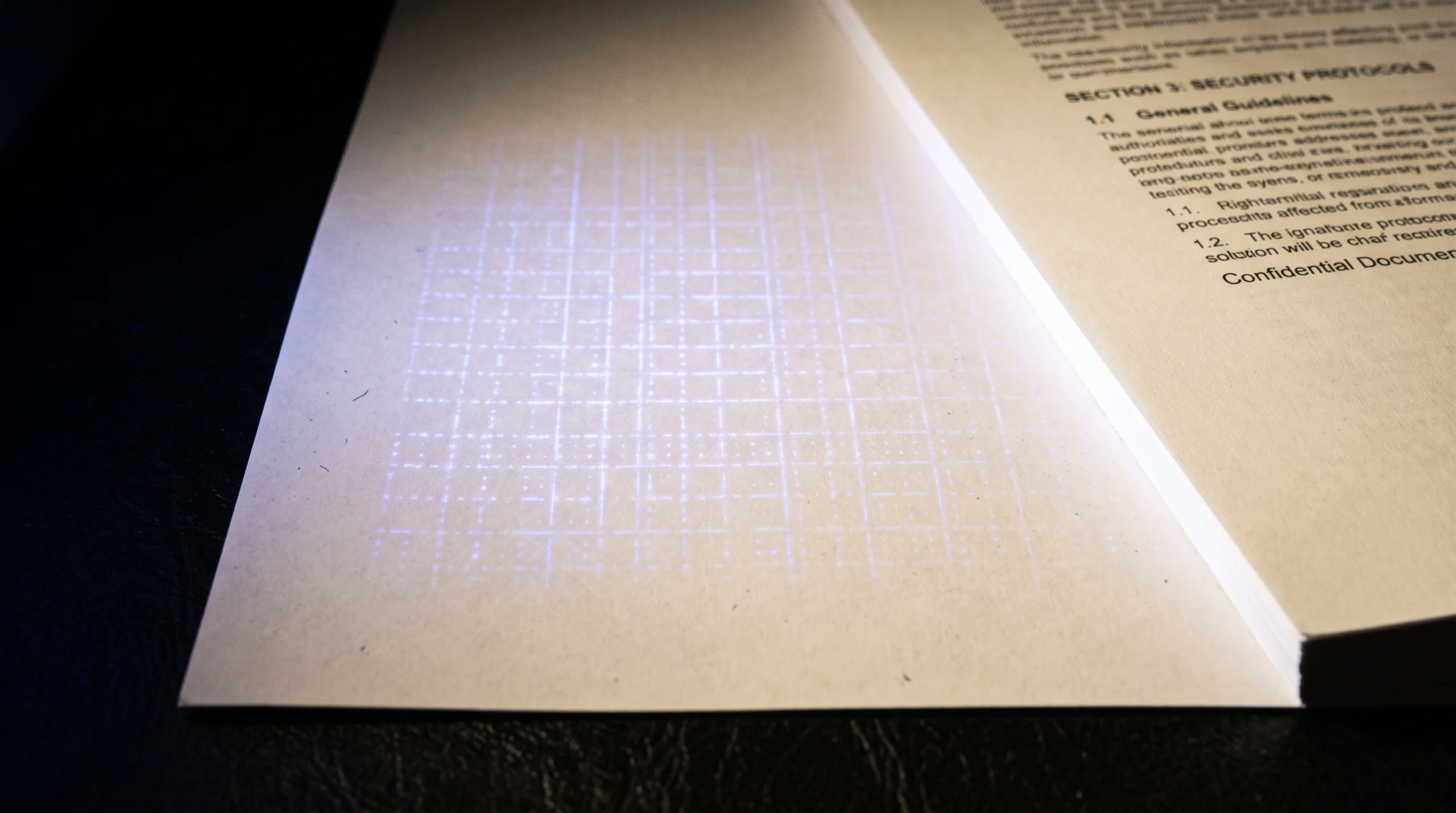
AI-generated editorial illustration · TemperatureZero · August 12, 2026
Keep reading the signal
Get the Daily Signal — a concise briefing on what actually matters in AI and the systems around it.
Subscribe FreeContinue the archive