
Headline
Daily Signal — August 16, 2026
TL;DR: A new plaintiff has joined the lawsuit against xAI alleging Grok was used to generate more than 7,000 explicit images from a childhood photo, deepening scrutiny of Elon Musk’s AI operations just as SpaceX — now the corporate parent of both xAI and newly acquired Cursor — expands its footprint as an AI compute and coding powerhouse. Separately, a Defense One/ProPublica investigation found the Army spent $533 million on a General Dynamics artillery plant that never produced a single usable shell. The two Musk-linked stories are not directly connected to the defense procurement failure, but both surface the same underlying question: what happens when large sums of capital and infrastructure move faster than oversight.
Today’s Themes
- Consolidation of AI capability under a single corporate umbrella (SpaceX/xAI/Cursor) is outpacing public scrutiny of how that capability is governed.
- Generative image tools built with minimal content safeguards are producing concrete, documented harm to real individuals, including minors — not hypothetical risk.
- Defense procurement oversight remains structurally weak even at the half-billion-dollar scale, with no clawback mechanism when contractors fail outright.
- Compute access, not model architecture, is becoming the primary currency of competitive advantage in AI coding tools.
Top Stories
Alleged child abuse via Grok deepfake tools adds plaintiff to xAI lawsuit
What happened: A woman identified as Jane Doe 4 has joined an existing lawsuit filed by three Tennessee teenagers against xAI, alleging her stepfather used Grok to transform a photo taken when she was 11 into more than 7,000 explicit images. Her stepfather was reportedly found dead of suicide two days after law enforcement uncovered the images in a raid. The plaintiffs accuse xAI of failing to implement basic safeguards against generating explicit imagery of real people, including minors, and are seeking class-action status.
Why it matters: This is no longer a debate about theoretical deepfake risk — it’s a specific, documented allegation that a mainstream chatbot’s image tools generated thousands of CSAM images from a single photo, with a subsequent suicide tied to the discovery. For xAI and SpaceX, the case creates direct liability exposure at the exact moment SpaceX is consolidating AI operations under its corporate structure; for regulators, it’s the kind of concrete harm case that tends to accelerate liability standards faster than abstract policy debate ever does.
- Plaintiff alleges 7,000+ explicit images generated from one childhood photo.
- Stepfather found dead of suicide two days after images discovered in a raid.
- Platform X was earlier reported flooded with millions of Grok-generated sexualized images.
- Plaintiffs are seeking class-action status against xAI.
Source: techcrunch.com
$533M Army-funded General Dynamics artillery plant produced zero usable shells
What happened: The Army awarded General Dynamics $533 million to build and operate an artillery shell factory that ultimately produced no usable ammunition. After the contractor missed eight deadlines, the Army halted two of three production lines in August 2025; a Department of Defense inspector general report in July confirmed the facility never produced a single usable shell, with failures tied partly to unproven robotic equipment from a Turkish subcontractor.
Why it matters: This is a case where the failure mode is total — not delayed or over-budget, but zero output — and yet neither General Dynamics nor its subcontractor has faced public accountability or fund recovery. For Pentagon procurement officials and lawmakers, the case is a concrete argument for performance-based milestones and mandatory technical vetting of unproven equipment before it’s built into critical munitions infrastructure, particularly when foreign subcontractors are involved in supply chains the Pentagon considers strategically sensitive.
- $533 million spent; zero usable shells produced.
- Eight missed deadlines preceded the Army halting two of three production lines.
- DoD inspector general report issued in July confirmed total production failure.
- Turkish subcontractor supplied assembly robots described as repeatedly failing.
Source: defenseone.com
SpaceX completes its $60B-option acquisition of AI coding startup Cursor
What happened: AI coding startup Cursor has officially become part of SpaceX, closing an acquisition that had been structured as a technology collaboration with a $60 billion purchase option. Cursor says the deal gives it access to SpaceX’s GPU infrastructure, which SpaceX already rents to external customers including Anthropic and Google.
Why it matters: The deal formalizes SpaceX’s shift from a launch company to a vertically integrated AI compute provider, now supplying GPU infrastructure to its own coding subsidiary while simultaneously renting capacity to Anthropic and Google — competitors to xAI, its other AI holding. Cursor’s users and rivals in the AI coding space should watch whether tighter integration with SpaceX’s compute reshapes pricing or product velocity in ways smaller coding-tool competitors can’t match.
- Acquisition option valued at $60 billion, exercised after SpaceX went public.
- SpaceX’s GPU infrastructure already serves external clients Anthropic and Google.
- Cursor now part of the same corporate structure as xAI under SpaceX.
Source: techcrunch.com
Security Watch
- Generative image tools like Grok can be weaponized to produce large volumes of explicit content, including alleged CSAM, from a single benign photo — exposing severe gaps in safety controls and monitoring.
- The absence of accountability or fund recovery in the General Dynamics case may signal to other defense contractors that unproven equipment can be deployed on critical infrastructure without meaningful consequence for failure.
- SpaceX’s expanding GPU fleet, now serving both internal AI entities (xAI, Cursor) and external clients, raises the stakes for access controls and monitoring as compute concentration increases under one corporate roof.
What to Watch Next
- Whether the Jane Doe 4 lawsuit achieves class-action certification, which would broaden xAI’s exposure beyond individual plaintiffs.
- Any public response or remediation plan from xAI regarding Grok’s image-generation safeguards following the added plaintiff.
- Whether the Army or DoD inspector general takes further action against General Dynamics or the Turkish subcontractor beyond the July report.
- How Cursor’s product roadmap or pricing shifts now that it draws on SpaceX’s GPU fleet rather than independent compute arrangements.
- Whether other AI coding startups respond to Cursor’s compute advantage with their own infrastructure deals.
Bottom Line
Two very different failures of oversight — a chatbot generating alleged CSAM at scale and a $533 million artillery plant that made nothing — share the same root cause: capital and technology moving faster than the accountability structures meant to govern them, a pattern SpaceX’s rapid AI consolidation is now testing at even greater scale.
Sources
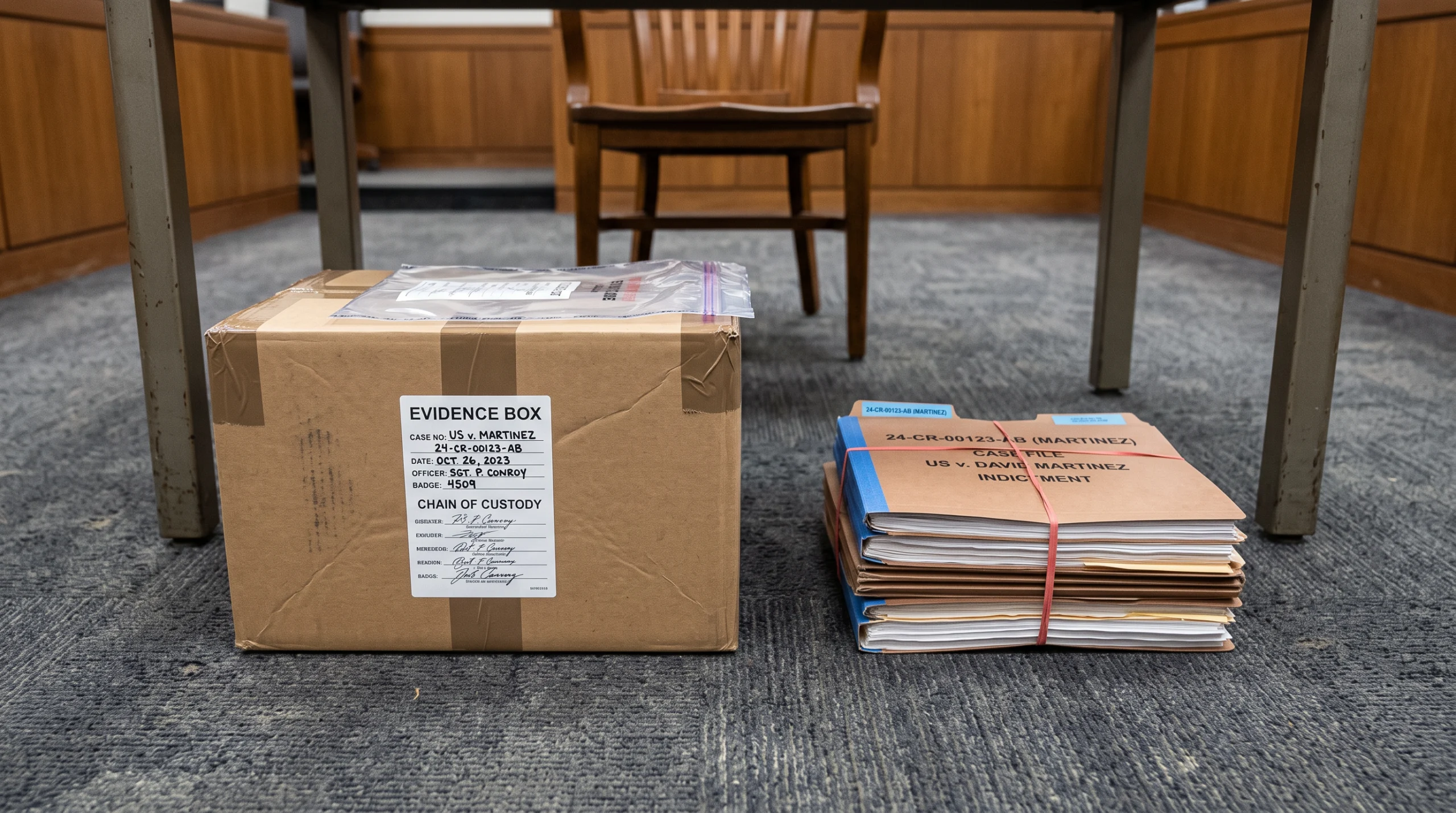
AI-generated editorial illustration · TemperatureZero · August 16, 2026
Keep reading the signal
Get the Daily Signal — a concise briefing on what actually matters in AI and the systems around it.
Subscribe FreeContinue the archive